
Just weeks after the United States Department of Justice approved Paramount Skydance’s proposed acquisition of Warner Bros. Discovery, the massive Hollywood merger has encountered two major (and widely expected) obstacles.
A coalition of twelve state attorneys general has filed a federal lawsuit seeking to block the merger on antitrust grounds. At the same time, a new investigation has raised ethical concerns surrounding members of the Federal Communications Commission, the agency responsible for reviewing one of the deal’s final major regulatory hurdles.
Together, these developments make one thing clear: DOJ approval was never the end of this story.
Twelve States Move to Block the Merger
Led by California Attorney General Rob Bonta, the lawsuit was filed in the United States District Court for the Northern District of California. California is joined by Arizona, Colorado, Connecticut, Massachusetts, Minnesota, Nevada, New Jersey, New Mexico, New York, Oregon, and Washington.
The states argue that combining Paramount and Warner Bros. Discovery would substantially lessen competition across several important entertainment markets. The proposed transaction would unite two of Hollywood’s remaining legacy film studios, merge Paramount+ with HBO Max, and place a massive collection of broadcast and cable networks, including CBS, CNN, MTV, BET, TNT amongst others, under the control of one company.
According to the lawsuit, the merged company would control nearly one-third of theatrical film distribution and basic cable programming. The states contend that this level of concentration could lead to higher prices, fewer films and television shows, reduced quality, and less bargaining power for movie theaters and other television distributors.
The lawsuit also asks Paramount and Warner Bros. Discovery to delay closing the transaction until the court resolves the challenge. In the event either company attempts to move forward with the merger, the states have threatened to seek a temporary restraining order.
Why Can States Sue After DOJ Approval?
The lawsuit highlights an important antitrust law consideration following the DOJ’s approval of the merger a few weeks ago: DOJ approval does not prevent individual states from bringing their own challenges.
The DOJ previously determined that the merger was unlikely to harm competition or American consumers. However, state attorneys general can independently challenge a transaction under federal and state antitrust laws when they believe it will harm consumers, workers, businesses, or competition within their jurisdictions.
The disagreement may also come down to how each side defines the relevant market.
Paramount argues that the combined company needs greater scale to compete against technology and streaming giants such as Netflix, Amazon, Disney, and Apple. From that perspective, the merger would create a stronger competitor in a broad global entertainment marketplace.
The states are advancing a much narrower theory. Rather than focusing primarily on streaming, their lawsuit centers on wide-release theatrical films, blockbuster distribution, and basic cable licensing. Within those narrower markets, combining Paramount and Warner Bros. Discovery could appear considerably more concentrated.
That distinction will likely sit at the epi center of the battle in the court room. The outcome may depend on whether the court views Netflix and other streaming companies as meaningful competitors in each of the specific markets identified by the states.
Paramount Pushes Back
Paramount has strongly rejected the states’ allegations, calling the lawsuit a misrepresentation of competition in the modern entertainment industry.
The company argues that the merger would create a better-funded, more competitive media company capable of challenging Netflix and other dominant platforms. Paramount has also maintained that the transaction would expand production, create opportunities for entertainment workers, and allow the combined studios to release approximately thirty theatrical films each year.
Critics remain skeptical.
The Writers Guild of America and Cinema United, an organization representing movie-theater owners, have supported the states’ concerns. The Writers Guild argues that further studio consolidation could mean fewer jobs, lower wages, weaker bargaining power, and less variety in film and television programming.
On July 14, the Writers Guild escalated its opposition by filing its own federal lawsuit seeking to block the acquisition. That separate action focuses heavily on the merger’s possible effects on writers and creative labor, adding another layer to an already complicated legal battle.
New Questions Surround the FCC Review
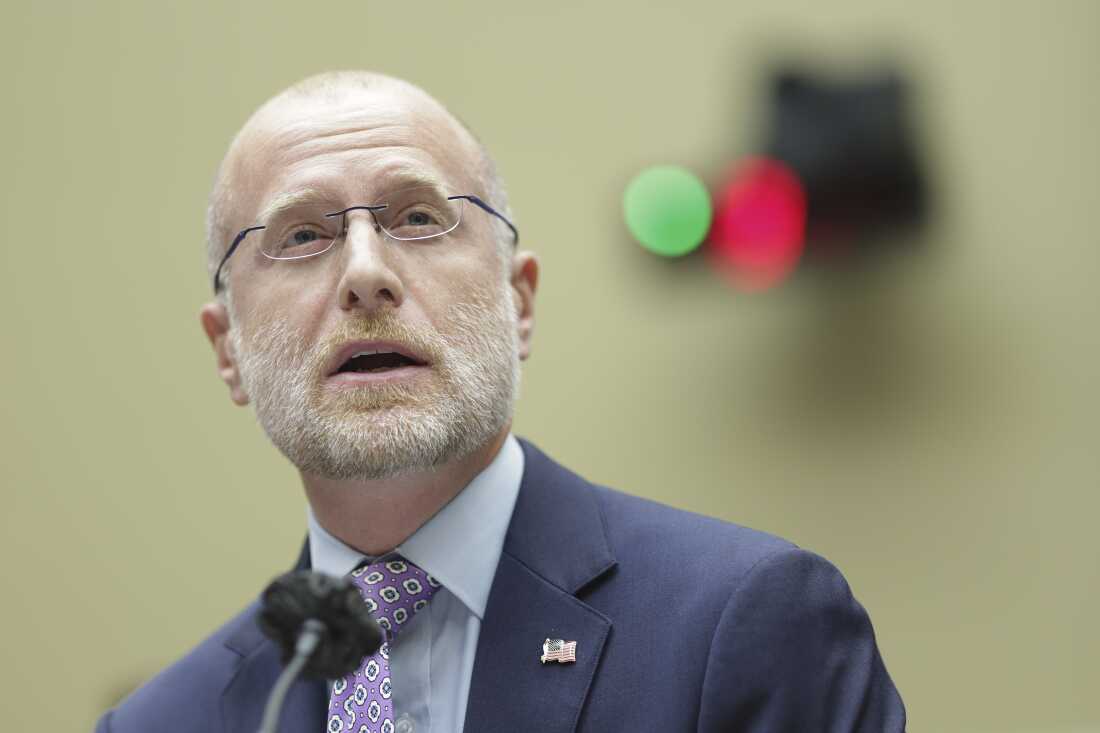
The merger must also receive approval from the Federal Communications Commission because the transaction involves the transfer and control of broadcast licenses.
Unlike the DOJ’s antitrust review, which asks whether a merger may substantially lessen competition, the FCC applies a broader public-interest standard. The agency may examine matters such as media ownership, foreign investment, broadcast licensing, competition, and the transaction’s overall impact on the public.
However, a recent ProPublica investigation has raised concerns about the appearance of impartiality within the agency.
According to the report, FCC Commissioner Olivia Trusty accepted Kennedy Center Honors tickets from Paramount valued at more than $12,000 after voting to approve Paramount’s earlier merger with Skydance Media. FCC Chair Brendan Carr has reportedly accepted tickets from CBS or its parent company on several occasions since joining the agency, with the disclosed value totaling at least $63,000.
The report also states that Carr attended the December 2025 Kennedy Center gala in a private skybox alongside Paramount CEO David Ellison and other company executives. That event occurred while Paramount was beginning its merger efforts to acquire Warner Bros. Discovery.
Federal ethics rules generally restrict government officials from accepting gifts from companies that are regulated by, conduct business with, or seek official action from their agencies. The FCC has responded that its ethics officials have historically approved commissioner attendance at the event and found the practice consistent with federal ethics law.
Several outside ethics experts disagree, arguing that accepting expensive tickets from a company with significant matters pending before the agency creates, at minimum, the appearance of a conflict of interest. Some have called for Carr and Trusty to recuse themselves from the Paramount–Warner Bros. Discovery review.
Why Does Recusal Matter?
The FCC currently has only three commissioners: Republicans Brendan Carr and Olivia Trusty and Democrat Anna Gomez.
Because three commissioners are generally needed for a quorum, the recusal of even one member could complicate the agency’s ability to vote on the merger. Carr could potentially delegate the matter to FCC staff, but any approval reached through that process would still likely face legal scrutiny.
The gift allegations do not automatically establish that the commissioners violated federal law or that the merger must be rejected. They could, however, become relevant in a future lawsuit challenging the fairness or integrity of the FCC’s review.
Even when courts ordinarily defer to an agency’s expertise, evidence that a decision-making process was compromised by conflicts or procedural problems can provide opponents with additional grounds to contest the agency’s conclusion.
The Merger’s Remaining Roadblocks
Paramount and Warner Bros. Discovery are still attempting to close the transaction in 2026, but the pathway has become increasingly difficult.
The companies must now address:
- The lawsuit filed by California and eleven other states;
- The Writers Guild of America’s separate antitrust challenge;
- The FCC’s ongoing public-interest review;
- Questions surrounding the impartiality of participating FCC officials;
- Continuing review by the European Union and other foreign authorities.
European regulators are currently evaluating concessions offered by Paramount, with the European Commission working toward a provisional July 22 deadline.
What Happens Next?
The state lawsuit does not automatically stop the merger. The attorneys general must persuade a federal court that the transaction is likely to violate Section 7 of the Clayton Act by substantially lessening competition in one or more properly defined markets.
Paramount, in response, will attempt to show that the states are defining those markets too narrowly and overlooking the competitive pressure created by Netflix, Amazon, Disney, Apple, and other major entertainment companies.
The court may ultimately allow the transaction to proceed, block it entirely, or require changes intended to address competitive concerns. Paramount could also attempt to negotiate a settlement, although the states may demand structural remedies or enforceable concessions rather than promises concerning future output and employment.
For now, the proposed Paramount–Warner Bros. Discovery merger has moved from regulatory review into an increasingly complex courtroom battle. The DOJ may have concluded that the merger would not harm competition, but twelve states, the Writers Guild, theater owners, and thousands of entertainment workers are now challenging that conclusion.
What once appeared to be a clear path toward creating one of Hollywood’s largest entertainment companies has become significantly less certain.
What are your thoughts on the twelve-state lawsuit challenging the Paramount–Warner Bros. Discovery merger? Do you believe the deal would create a stronger competitor to Netflix and other streaming giants, or would it place too much of Hollywood under one corporate umbrella? Sound off in the comments below, and stay tuned right here at The Cultured Nerd for the latest developments surrounding the merger and its potential impact on film, television, gaming, and entertainment.