
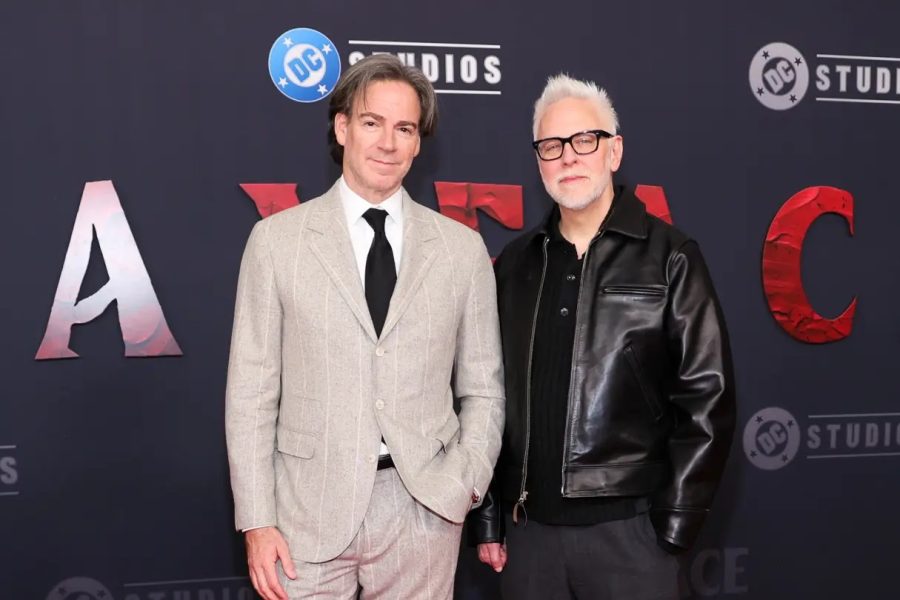
DC Studios is heading into another leadership transition, raising familiar questions about the future of its characters and the status of unfinished plans.
Skydance has appointed Jeremy Latcham president and chief creative officer of DC Studios, effective December 1. James Gunn and Peter Safran will step down from their executive roles after four years and return to creative work. Latcham will oversee DC’s film, television, and animation output.
The change follows the Paramount–Warner Bros. merger. For fans who have already navigated multiple changes in DC’s direction, it brings another period of uncertainty just as the current universe is finding its footing.
Who is Jeremy Latcham?
Latcham helped develop the early Marvel Cinematic Universe, with credits including Iron Man, The Avengers, Guardians of the Galaxy, and Spider-Man: Homecoming. His background includes working with Gunn, alongside later productions such as Dungeons & Dragons: Honor Among Thieves and Bad Times at the El Royale.
That experience offers clues about his approach, but his past comments have attracted as much attention as his résumé.
In interviews, Latcham has described using his grandparents as a reference point for whether films would connect with audiences outside Hollywood. He has also discussed how his Christian faith informs his interest in family audiences and redemptive storytelling.
Those preferences raise questions about how much room DC will retain for adult humor, horror, and more provocative interpretations of its characters.
What could change about DC’s tone?
A stronger emphasis on broadly accessible, family-oriented entertainment is one possible direction under Latcham.
His stated interests suggest an appetite for heroes whose stories emphasize redemption, responsibility, and personal growth. Applied to DC, that could mean greater attention to the qualities that make its heroes aspirational, alongside less enthusiasm for explicit material or humor that relies on shocking the audience.
That would create obvious questions for projects such as Peacemaker, Creature Commandos, and Clayface, whose adult sensibilities help distinguish them from more conventional superhero entertainment.
However, Latcham has not announced a studio-wide ratings policy or a ban on adult productions. His Marvel background also includes flawed protagonists, irreverent comedy, and unconventional heroes. The open question is how those elements would be handled—and how much freedom individual filmmakers would receive.
Will Batman, Wonder Woman, and the Justice League become bigger priorities?
Another possibility is a more concentrated push toward DC’s best-known heroes.
Superman, Batman, Wonder Woman, the Flash, and other Justice League characters provide an obvious foundation for a connected universe. New leadership could prioritize establishing that roster before expanding further into supporting characters and villain-led projects.
That would represent a change in emphasis rather than an entirely new ambition. A Wonder Woman film was already being written, while The Brave and the Bold was part of Gunn and Safran’s announced plans for Batman.
The question is which projects move forward first, which are reworked, and which remain in development. Predictions about a new Justice League roadmap, returning filmmakers, or specific cancellations remain speculation.
Is James Gunn finished with DC?
Gunn is leaving studio leadership, but his creative involvement continues.
In his public response to the announcement, he described the difficulty of balancing corporate responsibilities with filmmaking and the personal strain of the role. He also confirmed that he is writing another unidentified DC project and indicated that the characters his team established will continue.
Skydance continues to list Man of Tomorrow for July 9, 2027, with Gunn writing and directing and Gunn and Safran producing.
That leaves room for the existing continuity to continue under different management. It does not guarantee that every announced project or creative plan will survive.
The circumstances behind the departures also remain contested. Gunn’s statement explains his experience of the job, but it does not establish the theory that Safran was fired and Gunn stepped down in solidarity.
Another test of fans’ patience
The transition comes shortly after Skydance publicly included Gunn and Safran in its leadership plans. That reversal makes the uncertainty harder to dismiss as routine corporate restructuring.
The frustration is familiar: audiences get attached to actors and stories, only to find themselves questioning whether those investments will lead anywhere. Prominent reactions in the DC fan discussion surrounding the announcement reflect that exhaustion.
For now, a leadership change is confirmed. A wholesale reboot, a new content mandate, and the fate of much of the wider slate are not. Latcham’s first decisions will reveal whether this is primarily a management transition or a more substantial change to what DC’s universe can be.