
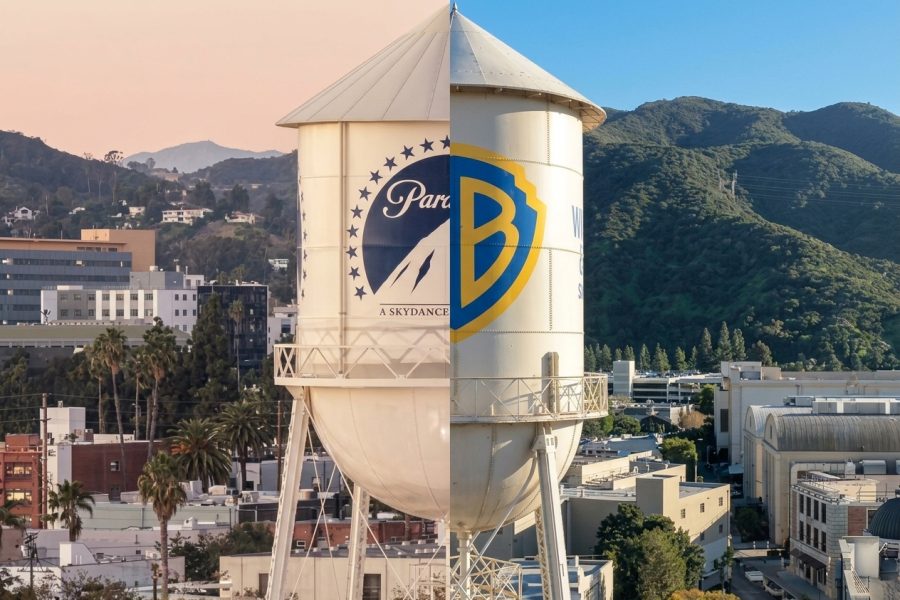
Ten days ago, Paramount Skydance acquired Warner Bros. Discovery for $31 per share, valuing the company at $110.9 billion. Where do things now stand for us the viewers and the studio itself, now under the name Skydance Corporation?
How did we get here?
The road to this massive merger goes back to December last year when Netflix had a deal to buy part of Warner Brothers Discovery. Paramount Skydance then launched it’s own aggressive bidding war for the company which saw Netflix walk away from the deal. The deal we have today not only sees two power house movie studios merge but also massive television networks and news divisions such as CNN and CBS coming under the same Skydance Corporation banner.
The Positives:
30+ Films a year
For the next 5 years Skydance has agreed to release a minimum of 30 movies a year. With the quota increasing to 32 films after the first two years. These also can not be low budget quota filling films. If the studio fails in its agreement to release 30 films a year it will be forced to sell it’s 49% stake in Miramax. These regulations are part of a state antitrust settlement and federal consent decree which Skydance must abide by.
A lot of people in the industry have voiced their concerns in regards to the future of the film business but one of the industry’s biggest actors, Tom Cruise, thought the deal was a positive one when he appeared on The Pat McAfee Show.
“I think it’s awesome. You know, here’s the thing. They’re going to deliver 30 movies. It’s a community to me. It’s not an industry. The people in these studios are not just people in the studios. They’re my family. I know we’re going to get those 30 movies. I want us all to come together as a community to help make those 30 movies. It’s not just going to be, you know, Paramount doing it. Everyone’s going to need all the help of every artist to be able to do it.”
The studio must also ensure that 20% of all film production takes place in the US for the first two years, increasing to 30% for the three years following that. This might seem low but currently around 50% of all US films are made outside of the country.
The Negatives:
Streaming prices might rise
Paramount+ and HBO Max are still separate entities for the moment, but there is potential to see some kind of hybrid streaming service between the two in future. Prices are also likely to rise when considering the cost of the $110 billion merger.
The deal is permanent but the obligations of Skydance is only for 5 years
Granted, a lot can change in 5 years. We’ve already seen with the impact of Covid, the actors & writers strike and a move away from producing films in the US. Streaming is also continuing to dominate as larger numbers of people choose to view films at home. What Skydance does after 5 years will likely reflect the challenges in the industry itself.
Less competition means less variety and more cost
A larger company means a greater catalogue but also firmer control over distribution terms with theaters. If theaters want the future Batman, Star Trek and Christopher Nolan releases then they’ll have to play nice and give the studio a bigger percentage of the box office. For theaters to maintain any kind of profit for themselves though they’ll have to increase ticket prices.
Skydance will also want to maximize it’s profits by focusing more on proven big budget franchises, leaving less room for creative projects that the studio may deem to be risky.
The human cost:
Jobs will be cut
The company will be looking to recuperate their costs after such a large merger. Overlapping roles means that people’s previous roles will become redundant with the two companies combined.
The Unknowns:
Hey, your peanut butter is in my jelly!
The deal means that massive franchises such as Harry Potter, Star Trek and D.C. characters such as Batman are now under the same roof. Does this mean we might see cross-overs in future? Unlikely for the time being. But there probably will be some cross promotion between the major franchises.
Final Outlook:
Love it or hate it, the deal is done. Whatever your thoughts are on it there’s no denying that this will have a massive impact on the entertainment landscape we once knew.