
The future of Hollywood took a massive step forward this week. After months of speculation and regulatory review, one of the largest entertainment mergers in modern history has officially cleared a major hurdle. According to Variety, the United States Department of Justice has approved Paramount Skydance‘s proposed acquisition of Warner Bros. Discovery, a deal valued at roughly $110-$111 billion that would unite some of the most recognizable brands in entertainment under a single corporate umbrella.
While the headlines will understandably focus on what this means for franchises like DC, Harry Potter, Star Trek, Game of Thrones, and Mission: Impossible, the approval also provides an interesting look into how modern antitrust law applies to the ever-evolving landscapes of media and entertainment.
What is Anti – Trust?
At its core, antitrust law is designed to prevent companies from becoming so large that they unfairly dominate a market, reduce competition, raise prices, or limit consumer choice. When two major companies attempt to merge, regulators examine whether the deal would substantially lessen competition in a particular industry.
Here, the DOJ’s approval means federal antitrust regulators do not currently believe the Paramount-Warner Bros. Discovery merger violates those concerns. In simpler terms, the DOJ appears to believe that even after the merger, the combined company would still face major competition from companies like Disney, Netflix, Amazon, Apple, and other major players in the entertainment space.
However, DOJ approval does not mean the merger is officially complete. The companies still need to clear additional hurdles, including review from the Federal Communications Commission, which will look at the deal’s impact on broadcast licenses and the public interest. European regulators may also review the merger’s impact on international media markets.
Perhaps even more importantly, the merger is now facing opposition from a coalition of state attorneys general. California and New York have already been publicly linked to a potential lawsuit, while reports indicate that additional states may join the effort in the coming weeks. This highlights an important aspect of American antitrust law: DOJ approval does not automatically override state concerns. While the federal government may conclude that a merger does not substantially lessen competition on a national level, individual states can still bring legal challenges if they believe the transaction will negatively impact consumers, workers, or businesses within their jurisdictions.
In practical terms, that means Paramount and Warner Bros. Discovery cannot simply proceed with the merger as planned. The companies must either successfully defend the transaction in court, negotiate settlements with the states, or otherwise resolve those legal challenges before the deal can fully move forward.
For now, the merger has cleared one of its largest obstacles, but several major battles remain before this Hollywood mega-deal becomes reality.
What Does This Mean for DC, Star Trek, Harry Potter, and Other Major Franchises?
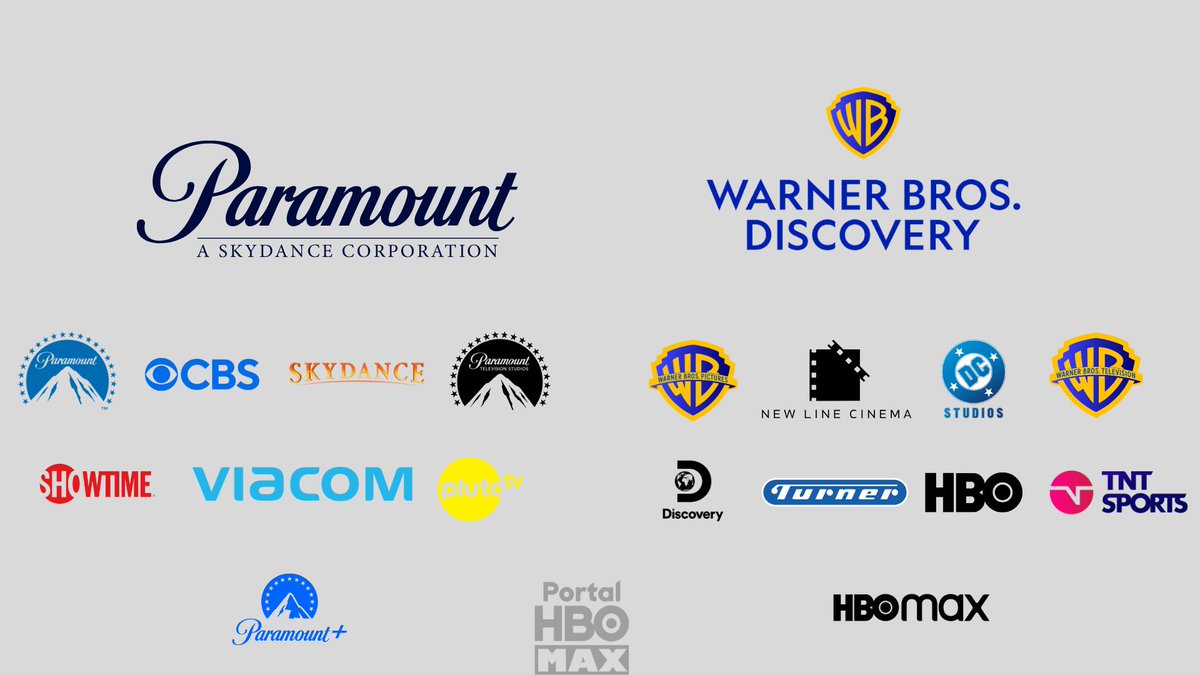
For fans, the most immediate question isn’t whether the merger is legal, it’s what happens to the massive collection of intellectual property that would suddenly fall under the same corporate umbrella.
If the merger ultimately closes, the combined company would control some of the most recognizable franchises in entertainment. Warner Bros. Discovery currently houses brands such as DC, Harry Potter, Game of Thrones, Mortal Kombat, The Lord of the Rings film rights, and HBO’s extensive library. Paramount, meanwhile, controls Star Trek, Mission: Impossible, Transformers, Teenage Mutant Ninja Turtles, Yellowstone, and a host of other valuable properties.
In theory, the merger would create one of the deepest content libraries in Hollywood, giving the newly formed company a stronger ability to compete against streaming giants like Netflix, Disney, and Amazon. That increased scale was one of the primary reasons the DOJ concluded the merger could actually enhance competition rather than diminish it.
For DC fans specifically, there appears to be little reason for concern in the short term. Reports throughout the merger process have consistently suggested that David Ellison intends to keep existing creative leadership teams largely intact, including James Gunn and Peter Safran‘s stewardship of DC Studios. While no major corporate merger comes without uncertainty, there is currently no indication that the DCU’s roadmap that includes Superman: Man of Tomorrow, Supergirl, Lanterns, Clayface and Batman: The Brave and the Bold (?) is expected to change as a result of the deal.
The bigger question is what happens five or ten years from now. Will the combined company invest more heavily in its tentpole franchises? Will some brands receive less attention as executives focus resources elsewhere? And how will HBO Max, Paramount+, theatrical releases, and television production ultimately be integrated under one roof?
Whether this merger ultimately proves beneficial for consumers remains to be seen. What is clear, however, is that the approval marks a significant moment in Hollywood history. As the industry continues to evolve in the streaming era, the combination of Paramount and Warner Bros. Discovery could reshape the future of entertainment for years to come.
What are your thoughts on the DOJ approving the Paramount-Warner Bros. Discovery merger? Do you think this deal will strengthen iconic franchises, or are you concerned about further dilution in Hollywood? Sound off in the comments below, and make sure to stay tuned right here at The Cultured Nerd for the latest news from across the worlds of film, television, gaming, and beyond.